Frequently Asked Questions
How much does an average low voltage electrician make?
The average low voltage electrician earns a salary that typically ranges from $40,000 to $70,000 per year, depending on experience, location, and the complexity of the projects they handle.
Are low voltage systems totally safe?
Low voltage systems are generally considered safe. They operate at lower voltage levels, reducing the risk of electric shock and fire hazards, making them a reliable choice for various applications in residential and commercial settings.
Where can I find a low voltage electrician for my pool and garden?
You can find a low voltage electrician for your pool and garden by contacting local electrical contracting businesses, such as Low Voltage Specialist, which specializes in outdoor electrical installations and can provide reliable service in Placer County.
What are the requirements for electric low voltage contractor?
The requirements for an electric low voltage contractor typically include obtaining a valid state license, meeting local regulations, and having relevant experience in low voltage systems such as structured wiring, lighting, and security installations.
How to become a low voltage contractor?
Becoming a low voltage contractor involves obtaining the necessary licenses and certifications, gaining relevant experience in electrical work, and understanding local regulations. It's essential to complete training programs and possibly pursue an apprenticeship for hands-on learning.
What qualifications are needed for low voltage electricians?
The qualifications needed for low voltage electricians include a high school diploma or equivalent, completion of a specialized training program, and relevant licensing or certification as required by state regulations.
How do I choose a low voltage contractor?
Choosing a low voltage contractor involves researching their experience, checking licenses and certifications, reading customer reviews, and ensuring they offer a warranty on their work. Prioritize contractors with a strong reputation for quality and customer satisfaction.
What services do low voltage electricians provide?
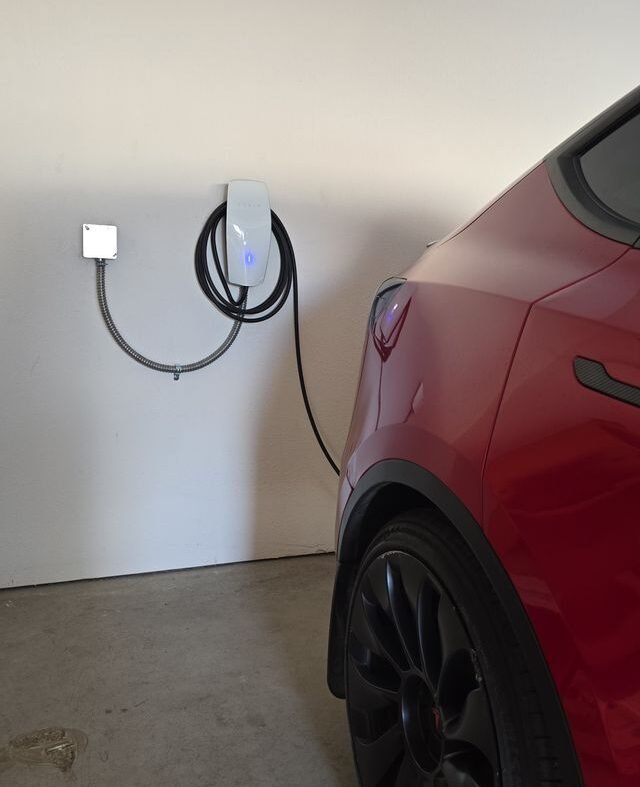
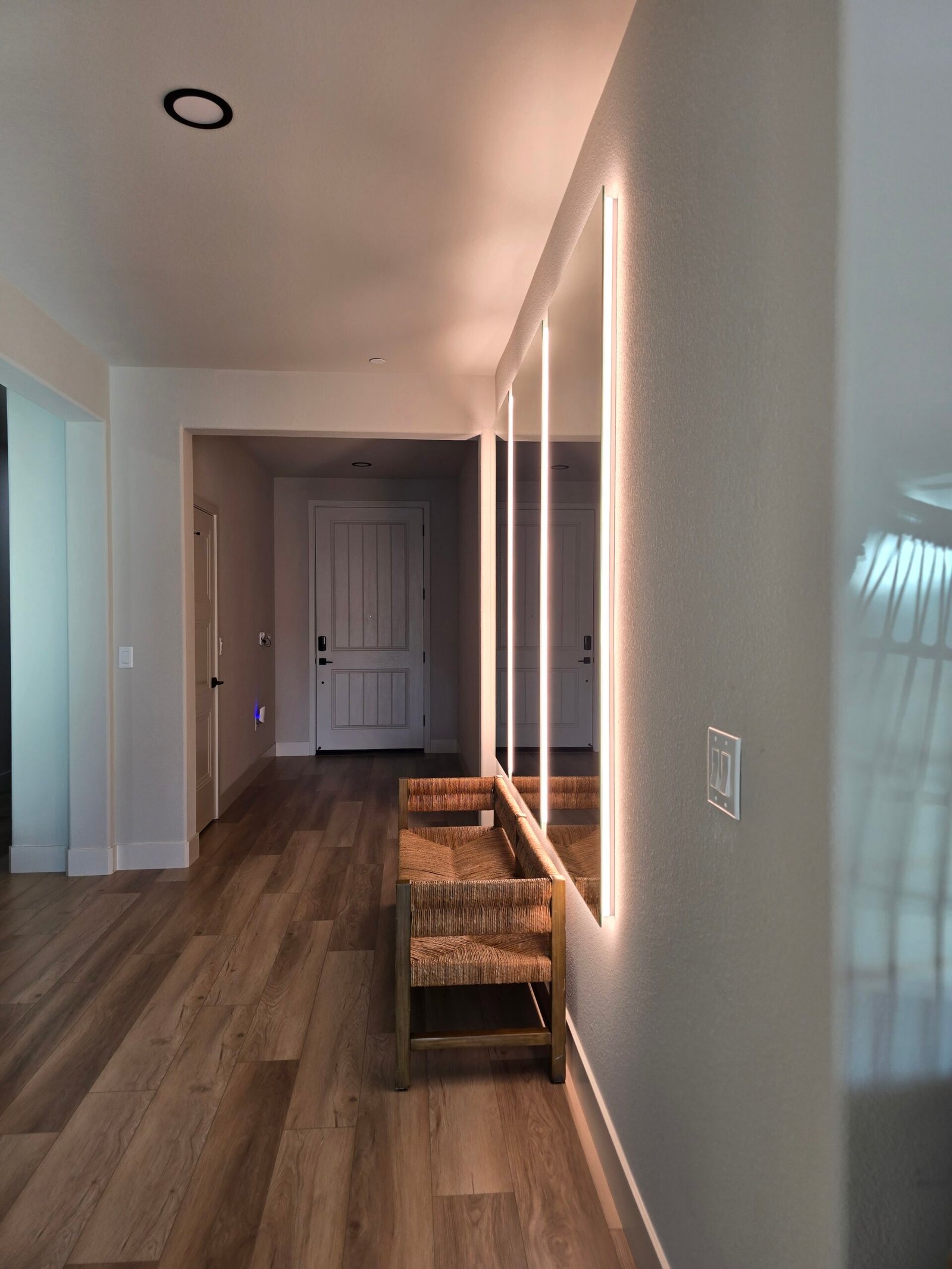
Low voltage electricians provide a range of services, including lighting upgrades, panel upgrades, EV charger installations, and structured wiring systems, primarily for high-end residential and commercial properties.
Are low voltage systems energy efficient?
Low voltage systems are energy efficient, as they consume less power compared to traditional high voltage systems. This efficiency not only reduces energy costs but also minimizes environmental impact, making them an excellent choice for modern electrical installations.
How long does low voltage installation take?
The duration of low voltage installation varies based on the project's complexity and scope. Typically, installations can take anywhere from a few hours to a couple of days, depending on the specific requirements and systems being installed.
What tools do low voltage electricians use?
Low voltage electricians use a variety of specialized tools, including wire strippers, crimping tools, cable testers, multimeters, and drill machines, to install and maintain low voltage systems effectively.
Can low voltage systems be installed outdoors?
Low voltage systems can be installed outdoors. However, it's essential to use weather-resistant materials and proper installation techniques to ensure safety and functionality in varying environmental conditions.
What are common low voltage applications?
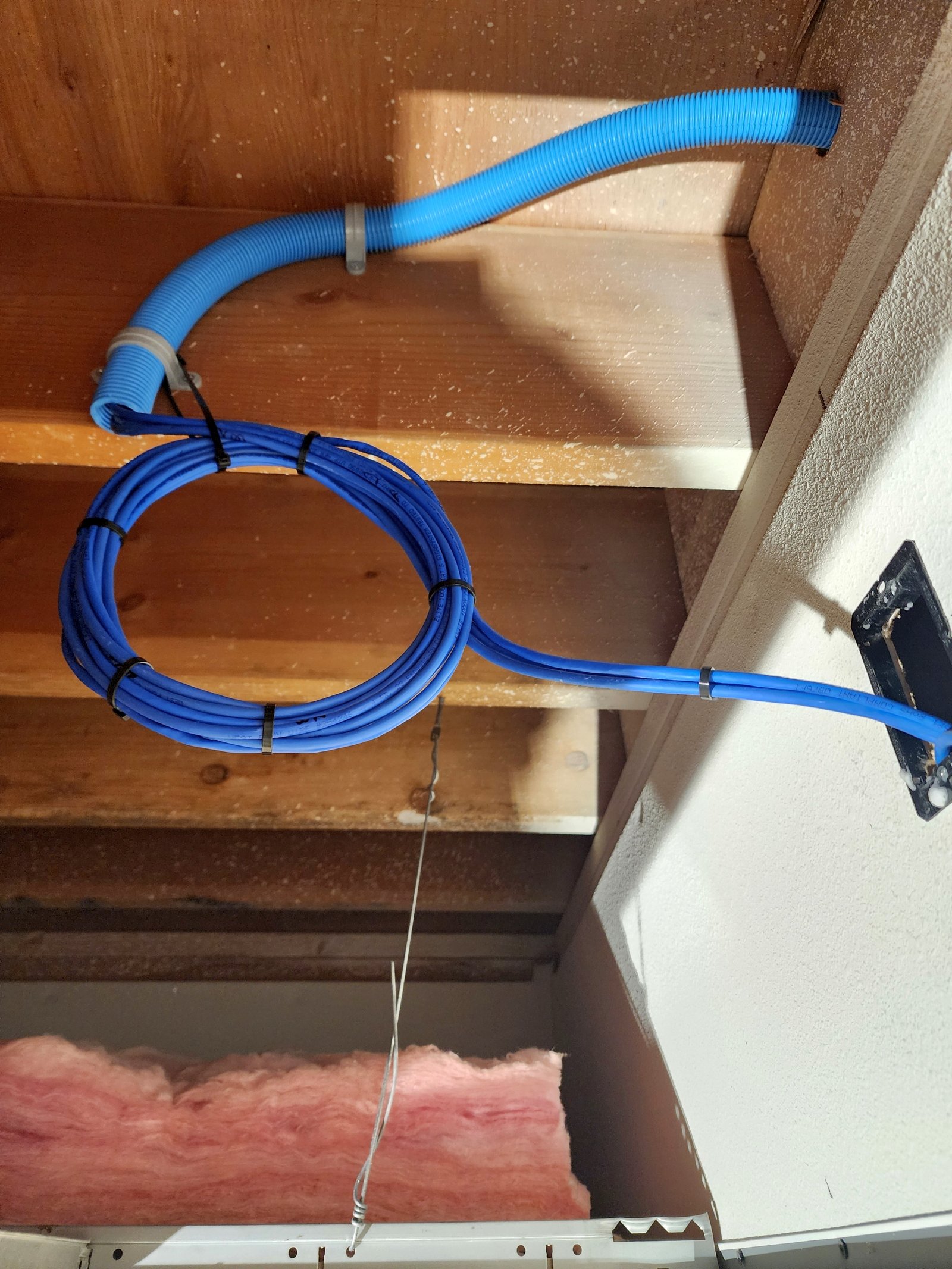
Common low voltage applications include structured wiring systems, security systems, audio/video distribution, smart home technology, and lighting control. These applications enhance functionality and efficiency in both residential and commercial environments.
How to maintain low voltage systems?
Maintaining low voltage systems involves regular inspections, cleaning connections, and ensuring proper cable management. Additionally, check for signs of wear and address any issues promptly to ensure optimal performance and longevity.
What safety standards apply to low voltage work?
The safety standards that apply to low voltage work include the National Electrical Code (NEC) and local regulations, which ensure that installations are safe, reliable, and compliant with industry best practices.
How to troubleshoot low voltage wiring issues?
Troubleshooting low voltage wiring issues involves first checking the power supply and connections for any loose or damaged wires. Next, use a multimeter to test voltage levels at various points in the circuit to identify faults.
What certifications should a low voltage contractor have?
Low voltage contractors should have certifications such as the National Institute for Certification in Engineering Technologies (NICET) in low voltage systems, as well as any relevant state licensing and manufacturer-specific training for the systems they install.
How to evaluate low voltage service quotes?
Evaluating low voltage service quotes involves comparing costs, checking the scope of services offered, and ensuring the contractor's qualifications and experience align with your project needs. Look for transparency in pricing and customer reviews to gauge reliability.
What is the lifespan of low voltage systems?
The lifespan of low voltage systems typically ranges from 10 to 20 years, depending on the quality of installation and maintenance. Regular upkeep can extend their functionality and reliability, ensuring optimal performance throughout their lifespan.
How do low voltage systems compare to high voltage?
Low voltage systems differ from high voltage systems primarily in safety and application. Low voltage systems operate at lower energy levels, making them safer for residential and commercial use, while high voltage systems are typically used for power transmission over long distances.
What are the benefits of low voltage lighting?
The benefits of low voltage lighting include energy efficiency, reduced electricity costs, enhanced safety, and versatile design options for both residential and commercial spaces, making it an ideal choice for illuminating areas effectively while minimizing environmental impact.
How to find reliable low voltage services?
Finding reliable low voltage services involves researching local contractors, reading customer reviews, and verifying credentials. Look for businesses with experience in your specific needs, such as lighting upgrades or EV charger installations, to ensure quality service.
What is the cost of low voltage installations?
The cost of low voltage installations varies based on factors such as project complexity, materials used, and specific service requirements. Typically, homeowners and businesses can expect pricing to range from a few hundred to several thousand dollars.
How to ensure low voltage system safety?
Ensuring low voltage system safety involves using high-quality materials, adhering to industry standards, and conducting regular inspections. Additionally, employing a qualified electrician for installation and maintenance is crucial to prevent hazards and ensure optimal performance.
What are the latest trends in low voltage technology?
The latest trends in low voltage technology include the increased adoption of smart home systems, energy-efficient LED lighting, and advanced structured wiring solutions that support high-speed data transmission and automation for both residential and commercial properties.
How to integrate low voltage systems with smart homes?
Integrating low voltage systems with smart homes involves connecting devices like lighting, security, and HVAC systems to a central smart hub, allowing for seamless control and automation through mobile apps or voice commands for enhanced convenience and efficiency.
What are the challenges in low voltage installations?
The challenges in low voltage installations include ensuring compliance with local codes, managing cable management and routing, minimizing interference from other electrical systems, and maintaining high-quality connections for optimal performance.
How to prepare for a low voltage project?
Preparing for a low voltage project involves assessing your specific needs, determining the scope of work, and ensuring access to the installation area. Additionally, gather any necessary permits and consult with a qualified contractor for optimal results.
What are the best practices for low voltage wiring?
The best practices for low voltage wiring include using high-quality cables, adhering to local codes, ensuring proper labeling, maintaining adequate separation from high voltage lines, and employing professional installation for optimal performance and safety.
How to assess low voltage system performance?
Assessing low voltage system performance involves evaluating signal strength, checking for interference, and ensuring proper installation. Regular testing and monitoring can help identify issues, ensuring optimal functionality and reliability of the system.